AGRICULTURE FOR SUSTAINABILITY
-
AGRICULTURE FOR SUSTAINABILITY
AGRICULTURE FOR SUSTAINABILITY
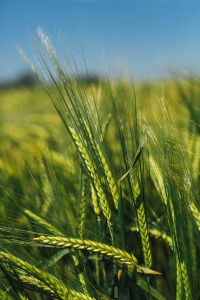
Agriculture for sustainability is most accurately captured by the term agroecology. This holistic concept transcends mere farming technique. It is a philosophy and scientific framework that integrates ecologic principals into agricultural systems. Agroecology views farms not as isolated factories for food but as dynamic ecosystems. It emphasizes biodiversity, soil health, natural pest regulation and the recycling of nutrients thereby creating resilient landscapes that work in concert with nature rather than against it.
Moodle supports both synchronous and asynchronous learning environments, enabling educators to host live webinars, video conferences, and chat sessions, as well as providing a variety of tools that support self-paced learning, including videos, interactive quizzes, and discussion forums. The platform also integrates with other tools and systems, such as Google Apps and plagiarism detection software, to provide a seamless learning experience.
Beyond it's ecological core, this approach is inherently linked to regenerative agriculture. This term powerfully conveys the active restorative dimensions of the practice. Where conventional methods often deplete, regenerative agriculture seeks to renew and improve the resources it uses. It focuses on rebuilding soil organic matte, enhancing water cycles and increasing biodiversity moves beyond "sustaining" carries a profound sense of hope and responsibility, implying that our agricultural footprint can leave the earth richer than we found it
Crucially, this paradigm cannot be separated from it's human and economic context, embodied in the principle of food sovereignty. This term elevates the conversation from pure production to one of justice, agency and cultural appropriateness. Food sovereignty asserts the right of people to define their own agricultural systems prioritizing local needs and empowering farmers and communities. It ensures that sustainability is not a top-down imposition but a democratically governed process that sustain rural livelihoods, indigenous knowledge and equitable access to nutritious food thereby creating social resilience alongside ecological resilience.
Links of interest:
(You can edit or remove this text)
Skip site announcements
Site announcements
Skip course categories
Course categories
Skip courses